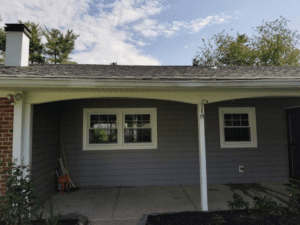
Benefits of Energy-Efficient Windows
Energy-efficient windows are designed to reduce energy consumption by minimizing heat loss in winter and keeping homes cool in summer. By upgrading to these windows, homeowners can significantly lower their heating and cooling costs while enhancing indoor comfort.
These windows often feature multiple panes, low-emissivity (Low-E) coatings, and gas fills, which all contribute to improved insulation. For instance, Energy Star-rated windows can save homeowners up to $500 annually on energy bills, making them a smart investment for both the environment and the wallet.
Choosing the Right Window Style for Your Home
Selecting the appropriate window style is crucial for both aesthetic appeal and functionality. Various styles, such as double-hung, casement, and bay windows, can influence the overall look of a home while serving specific purposes, like maximizing ventilation or enhancing natural light.
For example, casement windows are ideal for areas that require ample airflow, while bay windows can create a stunning focal point in a living room. Understanding the characteristics of each style helps homeowners make informed decisions that align with their design preferences and practical needs.
Understanding Window Installation Process
The window installation process is a critical aspect that can affect the performance and longevity of your new windows. Proper installation ensures that windows are sealed correctly, preventing air leaks and water infiltration, which can lead to damage over time.
Maintenance Tips for Longevity of Replacement Windows